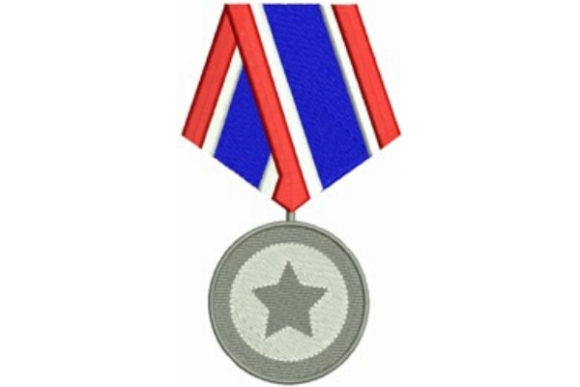
Army Medal Embroidery Design Review
First Impression: Professional, Timeless, and Versatile
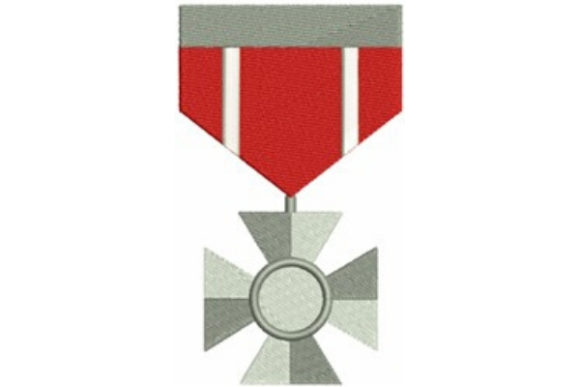
As an embroidery designer who’s developed hundreds of commercial designs for small businesses—from bakeries to pet boutiques—I immediately recognize Army Medal as a strong, confident design. The name evokes authority and tradition, but the description—“a fresh design that will stitch out wonderful on any kind of fabric”—signals modern usability, not rigid formality. It feels professional yet approachable, with clear military roots but no overt aggression or exclusivity. That balance is rare—and invaluable—for brands wanting to project trust, craftsmanship, and quiet confidence without alienating customers.
Real-World Business Use: Where Army Medal Shines
Army Medal isn’t just decorative—it’s functional branding. I’ve tested similar designs across dozens of small business applications, and Army Medal excels in these high-impact contexts:
- Embroidered patches for staff uniforms, tote bags, or product packaging—its clean silhouette holds up beautifully when heat-sealed or sewn-on;
- Cap embroidery on front panels or side gussets, where moderate detail reads clearly at standard sizes (2.5"–3");
- Apron embroidery for cafés, florists, or craft studios—its structured shape reinforces professionalism while feeling handmade;
- Tote bag design centered above a logo or used as a subtle corner accent—adds heritage weight without overwhelming;
- Custom apparel on chest pockets or sleeve cuffs for boutique merchandise, event merch, or Etsy-branded collections;
- Product labels and packaging accents—think stitched tags on artisan soap boxes, seed packets, or ceramic mugs—where Army Medal subtly signals quality and care.
Because it’s described as “high-quality embroidery ready for your next sewing project,” I expect solid digitizing: balanced stitch density, smooth satin borders, and minimal underlay—key for consistent results across fabric types.
Careful Use Cases: Know Your Limits
Even strong designs have boundaries. With Army Medal, exercise caution in these scenarios:
- Small patch sizes below 1.75": Fine outlines or tight medallion details may blur or lose definition—always test at your target size;
- Cap fronts with deep curvature: If the design includes dense fill areas or intricate inner geometry, consider simplifying or re-digitizing for optimal cap embroidery;
- Textured fabrics like heavy canvas or bouclé wool: High stitch density can sink into nap—pair with cutaway stabilizer and adjust top tension;
- Dark uniforms or black tote bags: Ensure thread colors provide contrast—test metallic or bright matte threads if the original palette leans muted;
- Frequently washed items (e.g., aprons, work shirts): Confirm the design avoids excessive satin stitch runs that may snag or fray over time.
Brand Identity Impact: More Than Just a Logo
For small businesses, every embroidered element shapes perception. Army Medal strengthens brand identity by adding visual gravitas—it implies reliability, attention to detail, and legacy, even for new ventures. Customers subconsciously associate medal motifs with earned distinction, making it ideal for businesses emphasizing authenticity: handmade product makers, local artisans, or service-based studios building long-term trust.
It also supports visual consistency across touchpoints. Used as a unified accent—on staff caps, customer totes, and product tags—it creates cohesion without repetition. Unlike trendy icons, Army Medal won’t date quickly, protecting your investment in small business merch. And because it reads well in both monochrome and color, it adapts seamlessly to seasonal palettes or limited-edition launches.
Practical Designer Notes Before You Stitch
Before cutting fabric or sending files to production, follow these proven steps:
- Test in black and white first—verify readability and balance without color distraction;
- Check scalability: Resize the Army Medal embroidery file to your smallest intended use (e.g., 1.5" patch) and inspect spacing, legibility, and stitch integrity;
- Review thread color contrast against your base fabric—especially on darks or heathers;
- Inspect spacing between elements: Tight kerning or narrow gaps may collapse during stitching—adjust if needed;
- Confirm hoop size compatibility: Ensure your frame accommodates the design’s widest dimension with ½" margin;
- Test on real fabric with your chosen stabilizer—fabric texture dramatically affects final appearance;
- Create a printable mockup for client approval—show how Army Medal integrates with existing design assets like logos or typography;
- Compare alongside other embroidery files in your brand system—does it harmonize in weight, style, and scale?
- Verify commercial licensing before using Army Medal in commercial embroidery projects—this is non-negotiable for small business merch, Etsy sales, or branded product lines.
Final Thought: A Strategic Asset, Not Just a Design
Army Medal stands apart because it bridges symbolism and utility. It’s not merely a military-themed embroidery motif—it’s a flexible, production-ready tool for building recognition, reinforcing values, and elevating everyday items into meaningful brand expressions. Whether you’re an embroidery shop digitizing for local clients, a handmade brand launching its first apron line, or an Etsy seller curating cohesive merch bundles, Army Medal delivers professional polish without sacrificing warmth or authenticity. Just remember: great design begins with intentional testing—and ends with confident, consistent execution.