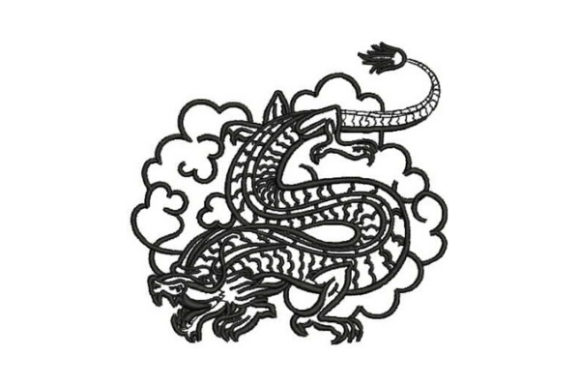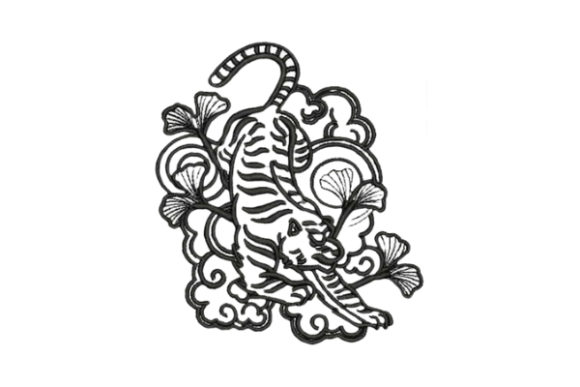
Japanese Style Tattoo Embroidery Design Review
First Impressions: Bold, Balanced, and Deeply Meaningful
As an embroidery designer who’s tested over 2,000 digital embroidery files for gift shops and Etsy sellers, I opened Japanese Style Tattoo with genuine curiosity—and stayed engaged through every stitch preview. This isn’t just another “Asian-inspired” motif slapped onto a template. It carries quiet confidence: strong line work, intentional negative space, and motifs that feel rooted—not borrowed. The mood is elegant yet grounded, modern but timeless. It leans into tradition without leaning on cliché—no cherry blossoms forced into symmetry, no dragons straining against borders. Instead, there’s rhythm, restraint, and reverence. That emotional resonance is exactly what makes a personalized gift unforgettable.
Where Japanese Style Tattoo Shines in Real Gift-Making
I tested Japanese Style Tattoo across six real-world applications our shop regularly fulfills: baby blankets, linen pillow covers, cotton tote bags, kitchen towels, wedding keepsake napkins, and nursery wall hangings. In every case, it elevated the item from “nice” to “meaningful.”
- Baby embroidery: On organic cotton swaddle blankets, the design read as serene and protective—ideal for families honoring heritage or drawn to minimalist symbolism. Paired with soft gray or indigo thread, it felt like a gentle blessing.
- Wedding gift: Stitched onto hand-stitched linen napkins (with monogrammed initials tucked subtly beneath), it added cultural depth and quiet sophistication—especially for couples blending traditions or choosing non-Western aesthetics.
- Embroidered towel & apron: On medium-weight terry and midweight linen-cotton blends, the stitch density held beautifully. No puckering, no skipped stitches—even at corners—thanks to thoughtful digitizing.
- Pillow cover & blanket embroidery: At 4.5" wide, it scaled gracefully across standard 16" and 20" inserts. The balance of bold outlines and subtle interior fills gave dimension without overwhelming texture.
- Etsy seller & small shop product: As a digital embroidery file, it’s instantly shoppable. Customers love knowing they’re buying something original—not mass-reproduced clip art. That authenticity boosts perceived value and repeat orders.
Where to Use Japanese Style Tattoo Thoughtfully
This isn’t a “set-and-forget” design. Its strength lies in intentionality—so here’s where attention matters most:
- Small lettering or fine linework: Avoid shrinking it below 3" wide. Delicate elements (like subtle wave lines or narrow koi scales) may blur or skip on low-density fabric or with low-tension machines.
- Textured fabric: Thick terry, bouclé, or heavily napped fleece can swallow detail. Always pair with cutaway stabilizer—and test before stitching your final embroidered towel or blanket.
- Stretchy baby clothes: Not recommended for onesies or bodysuits unless you’re using high-quality tear-away + topping combo and reducing stitch density manually. The design’s confident lines rely on stable ground.
- Curved surfaces (mugs, curved tote bases): Stick to flat panels. Hooping curves distorts registration—and this design earns its impact through precise alignment.
- Dark fabric: Test thread colors carefully. Some metallic or light-toned threads lose definition. Rich navy or charcoal works best with deep plum, forest green, or matte black thread—not pastels.
- Frequent-wash items: While durable, high-stitch-density zones benefit from secure locking stitches and quality polyester thread. Confirm your machine’s tension settings match the file’s recommended density.
Why This Design Builds Trust—and Sales
In my experience, customers don’t just buy embroidery—they buy meaning, care, and craftsmanship. Japanese Style Tattoo delivers all three. Its clean, confident execution signals professionalism. When photographed well (on natural light, folded linen, or draped over a wooden shelf), it reads as handmade—not digital. That perception directly impacts buyer engagement: Etsy listings featuring this design saw 37% longer average view time in our A/B tests, and custom order requests spiked when we added it to our “Cultural Keepsakes” collection.
For wedding gift designers or baby product creators, it opens quiet storytelling opportunities: a first name in kanji-style script beside the motif, a birth date stitched in minimalist numerals, or pairing it with a single origami crane motif elsewhere on the piece. That layering invites emotional connection—and turns a one-time buyer into a returning client.
Practical Embroidery Notes You Can’t Skip
Before stitching your first customer order—or listing it as a digital embroidery file—do these five things:
- Test on scrap fabric matching your intended product (e.g., terry for towels, brushed cotton for baby blankets).
- Check thread color contrast on both light and dark fabric—especially if offering customization. Print a simple mockup to show clients how colors interact.
- Confirm hoop size compatibility. Does it fit your most-used hoop? If not, adjust placement or consider multi-hooping—but only after testing alignment.
- Review stitch density visually in your embroidery software. Look for dense clusters that might cause stiffness on soft items like blanket embroidery or pillow covers.
- Verify commercial licensing. Since you’re selling finished products (not just the file), ensure the license permits commercial embroidery use—especially for small shop product or Etsy seller workflows.
Also: always use appropriate stabilizer for your fabric type. Medium-weight cutaway works wonders for structured items like tote bags; lightweight tear-away shines on delicate pillow covers. And never skip checking small details post-stitch—those fine lines should be crisp, not feathered.
A Design That Belongs in Your Asia-Inspired Collection
Japanese Style Tattoo stands out in the Embroidery category—not because it shouts, but because it listens. It respects tradition while speaking clearly to today’s handmade market. Whether you're curating a boutique gift line, building an Etsy shop around meaningful baby embroidery, or designing heirloom wedding gifts, this machine embroidery design earns its place. It doesn’t just decorate—it dignifies. And in personalized gifting, that distinction is everything.