Lemon Embroidery Design Review
Why Lemon Fits Right Into My Next Small-Batch Collection
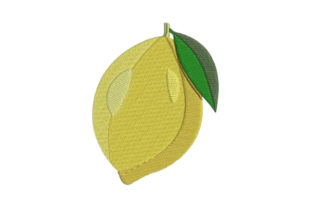
As an Etsy seller and embroidery business owner who’s launched over 80 handmade product listings in the past three years, I scan Creative Fabrica daily for designs that balance charm, versatility, and commercial viability. When I saw Lemon, it stopped me mid-scroll—not because it’s flashy, but because it’s quietly confident. It’s a food-themed embroidery file that doesn’t lean into kitsch or clutter. Instead, it feels fresh, approachable, and intentionally simple: just what my customers respond to on tote bags, baby blankets, and kitchen towels.
A Visual Personality That Sells
Lemon reads as playful yet polished—neither overly cartoonish nor stiffly botanical. It lands somewhere between modern minimal and friendly rustic, making it adaptable across audiences: moms ordering personalized baby onesies, coffee shop owners sourcing embroidered aprons, or boutique curators building seasonal home decor lines. The description says it’s “perfect for all citric lovers,” and that tone works—it’s lighthearted without being juvenile, warm without sacrificing sophistication. That duality is rare in food-themed embroidery and exactly why I’m considering it for both spring launches and year-round staples.
Where Lemon Shines Across Product Types
- Tote bag design: A single lemon centered on natural canvas reads clean and intentional—ideal for eco-conscious shoppers browsing Etsy.
- Sweatshirt embroidery: Stitched in muted yellow or sage thread on heather grey fabric, it adds subtle personality without overwhelming the garment.
- Baby embroidery: On a soft cotton blanket or onesie, its rounded shape and gentle lines feel soothing and age-appropriate.
- Kitchen towel embroidery: Paired with linen or terry cloth, it elevates everyday utility into giftable home goods.
- Embroidered patch: With clean edges and moderate detail, Lemon translates beautifully to iron-on or sew-on patches for jackets and caps.
- Personalized gift: Add a name or date in a small script font below the fruit, and it becomes a thoughtful custom apparel piece—great for baby showers or teacher appreciation.
Supporting Real Business Needs—Beyond Just Stitching
For craft business owners juggling photography, listing optimization, and social media previews, Lemon delivers practical value. Its balanced proportions make it easy to photograph well—even at thumbnail size on Etsy search results. It holds clarity when scaled down for Instagram Stories or Pinterest pins, and it pairs effortlessly with neutral backdrops and natural lighting. As a digital embroidery file, it also lends itself to printable mockups: I can generate consistent, professional-looking visuals across listings without hiring a designer each time.
Because it’s rooted in the Food category but executed with restraint, Lemon avoids seasonal expiration. Unlike pumpkin or peppermint motifs, it doesn’t lock you into fall or winter calendars—making it ideal for evergreen inventory planning. And for craft fair vendors? It’s a conversation starter: cheerful enough to draw smiles, refined enough to support premium pricing.
Buyer-Focused Value You Can Feel in the Listing
What makes Lemon more than decoration—and closer to a brand asset—is how it shapes perception. A customer seeing it on a handmade pillow cover doesn’t just see fruit; they sense care, intention, and quiet joy. That emotional resonance boosts perceived value, increases time-on-page, and supports repeat visits. It helps finished products feel more giftable (think: “I’d buy this for my sister’s birthday”), more memorable (distinctive but not loud), and more professional (no pixelation, no awkward spacing). For Etsy sellers optimizing for conversion, those intangibles matter as much as stitch count.
Practical Seller Notes Before You List
Before adding Lemon to your shop, take these steps—especially if you’re new to Creative Fabrica embroidery files:
- Test the design first. Run a sample stitch-out on your most-used fabric type. Note how it behaves on knits versus wovens, and whether light stabilizer is enough—or if medium cutaway improves definition.
- Photograph on real fabric. Don’t rely solely on digital mockups. Capture natural-light shots of the actual stitch-out on a tote, towel, or sweatshirt to assess texture, sheen, and scale.
- Compare thread color options. Try lemon yellow, mustard, olive, cream, and charcoal. Some palettes will read warmer and friendlier; others will lean modern or gender-neutral—key for inclusive gifting.
- Check readability at thumbnail size. Zoom out to 25% in your image editor. Does the shape remain distinct? Is there enough contrast between fruit and background?
- Review stitch density and hoop size. High-density designs can cause puckering on lightweight fabrics. Confirm the recommended hoop size so you know which projects are feasible without re-hooping mid-stitch.
- Verify licensing terms on Creative Fabrica. Not all embroidery files permit commercial use of finished products. Read the license carefully before listing embroidered items for sale.
Final Thought: A Small Design With Big Flexibility
Lemon isn’t trying to be everything—but that’s its strength. It’s a focused, well-executed machine embroidery design that supports multiple revenue streams without demanding extra complexity. Whether you’re launching your first Etsy shop or scaling a five-year-old craft business, it fits naturally into curated collections, seasonal refreshes, and evergreen bestsellers. It’s the kind of embroidery file that earns repeat use—not because it’s trendy, but because it works: across fabrics, audiences, and intentions. If you’re evaluating Creative Fabrica embroidery for handmade product development, Lemon deserves your attention—not as filler, but as foundation.