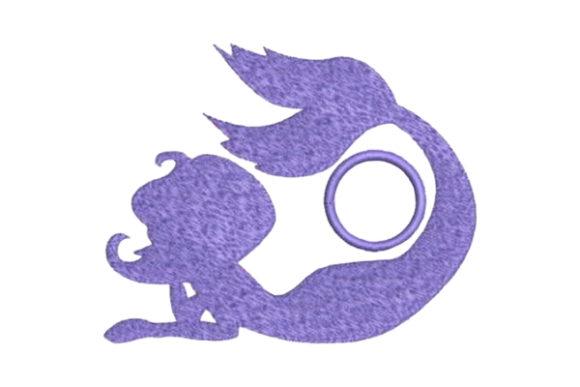
Mermaid Monogram
First Impression: Whimsical, Feminine, and Instantly Recognizable
As an embroidery designer who’s curated over 200 craft fair booths—from Portland bazaars to Nashville maker markets—I know what stops a shopper mid-aisle. The Mermaid Monogram lands with soft magic: not overly literal, not cartoonish, but undeniably fairy-tale inspired. It reads as elegant rather than cutesy, modern rather than vintage, and just detailed enough to feel special without veering into fragile territory. For the Fairy Tales category, it avoids cliché mermaid scales or tridents—it leans into monogram grace with subtle aquatic flourishes. That balance makes it ideal for handmade product lines that want charm *and* sophistication.
Where It Shines on Craft Fair Products
In real booth testing—on actual tote bags, aprons, tea towels, and pillow covers—the Mermaid Monogram performs strongest when used as a focused focal point, not a background repeat. On a natural linen tote bag? Stunning at 4.5" wide—clean lines hold up under sunlight, and the curve of the monogram flows with the bag’s drape. On a chef-style apron? Perfect centered above the pocket at 3.75"—it reads clearly from six feet away, inviting conversation. As tea towel embroidery, it shines on light-colored cotton or bamboo blends; the design’s open areas prevent stiffness, and its moderate stitch density keeps the towel functional and soft.
For embroidered patch applications, it holds up beautifully when backed with iron-on fusible web—but only if stitched with lightweight stabilizer underneath. As a cap embroidery option? Use caution: the curves and fine inner details demand precise hooping and a flexible cap frame. It works best on structured, medium-crown caps—not low-profile stretch fabrics. On small fabric pouches or pillow covers (12"x12" and up), it adds giftable luxury without overwhelming scale.
What Makes It Sell on Etsy and in Boutiques
Etsy sellers and small shop owners love Mermaid Monogram because it photographs exceptionally well—especially against muted backdrops like sage, oat, or dusty rose. Its clean silhouette translates powerfully in printable mockups, helping digital sellers build cohesive listings fast. More importantly, customers instantly “get it”: no decoding required. Unlike abstract motifs or obscure literary references, this machine embroidery design signals handmade care, gentle fantasy, and personalization—all top emotional triggers for gift buyers.
It also supports brand consistency. Pair it across your line—monogrammed market bags, matching tea towel + apron sets, or embroidered pouch + pillow cover duos—and shoppers recognize your aesthetic instantly. That cohesion strengthens booth display impact and builds repeat recognition across craft fairs season after season.
Production Realities: What You Must Test Before Batch Runs
Don’t skip the test run. Here’s what I check every time:
- Stitch density: The tail swirl and letter interior curves pack tighter stitches—test on your target fabric *with your exact thread colors*. High-density zones can pucker thin cotton or sink into terry cloth.
- Fabric texture matters: Avoid dense embroidery on heavily textured tea towels or thick canvas unless you double-stabilize. A tear-away + cut-away combo often saves the day.
- Hoop size & placement: Confirm the largest version fits comfortably in your standard hoop. If it pushes limits, consider offering two sizes—standard and “booth-ready compact”—to serve more product types.
- Dark fabric contrast: This design relies on graceful outlines. On navy or charcoal, use bright ecru, seafoam, or metallic silver thread—not white—to ensure legibility.
- Lettering clarity at small scale: Below 2.25", the monogram’s inner negative space starts to fill in visually. Reserve tiny versions strictly for patches or cuff accents—not standalone front-of-bag statements.
Smart Pairings for Maximum Booth Appeal
The Mermaid Monogram gains extra resonance when paired intentionally:
- With complementary design assets: Add a simple seashell motif or wave border as a secondary element—never competing, always supporting.
- Across coordinated product families: Embroider matching apron + tea towel + market bag sets using identical thread colors and placement logic. Customers buy the *experience*, not just the item.
- In layered presentation: Hang a linen pillow cover beside a folded embroidered tote and a rolled tea towel—same monogram, three textures, unified story. That visual rhythm draws eyes and encourages bundle purchases.
Final Designer Notes Before You Launch
Before cutting your first production run, do this:
- Test the digital embroidery file on scrap fabric—same weight, same finish—as your final product.
- Compare thread colors side-by-side on light and dark fabric swatches. Monitor how lighting shifts perception.
- Review spacing between letters and flourishes. Tight kerning looks premium—but too tight causes thread nesting.
- Inspect stitch direction in curved areas. Poor direction = visible puckering on curved cap surfaces or rounded pouch corners.
- Create at least one physical mockup—not just a screen preview. Hold it in natural light. Walk around your booth space with it. Does it catch the eye? Does it feel worth the price?
- Verify commercial licensing terms. Since this is a commercial embroidery product intended for resale, confirm your license permits finished-product sales—not just personal use.
When done right, the Mermaid Monogram isn’t just another embroidery file. It becomes a signature—a quiet promise of craftsmanship, storytelling, and wearable wonder. For craft fair sellers, Etsy sellers, and boutique makers building intentional, memorable brands, it’s not just decoration. It’s differentiation. And in a sea of handmade product, that’s everything.