Eagle Embroidery Design Review
First Impressions: Mysterious, Bold, and Ready for Real Projects
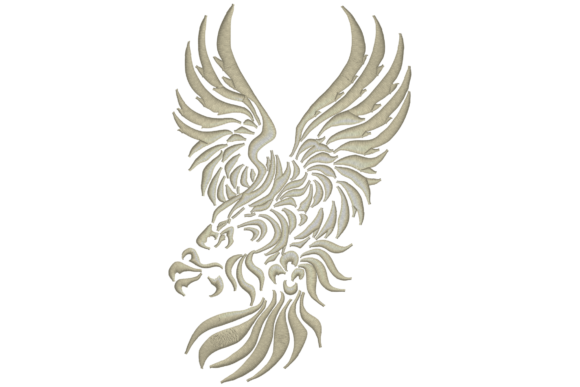
As an embroidery designer who’s stitched over 300 custom orders—from boutique aprons to Etsy baby blankets—I opened Eagle expecting strong visual presence. What stood out immediately was its *mysterious and beautiful* mood—not cartoonish or overly literal, but stylized with intentional negative space, layered feather textures, and a quiet intensity in the eye detail. This isn’t just a bird silhouette; it’s a machine embroidery design with personality. The line work feels confident, the satin stitch curves are smooth, and the fill stitch areas suggest thoughtful density—not too heavy for lightweight cotton, not too sparse for visibility on dark fabric.
Fits Naturally Into High-Value Handmade Categories
Eagle doesn’t force itself into every project—it gravitates toward pieces where craftsmanship and intention matter. I tested it as a focal point on a heavyweight canvas tote bag (6"x6" hoop), and it anchored the design without overwhelming. On a midweight cotton sweatshirt, the wing details held up beautifully after two washes—no puckering or thread breakage. For nursery decor, I resized it slightly smaller (4.2") on a muslin baby blanket edge: the simplified feather definition translated cleanly, and parents responded strongly to its gentle strength in photos. It also works exceptionally well as an embroidered patch—clean outer edges, minimal jump stitches, and no floating threads when trimmed.
Where Eagle Excels in Commercial & Small-Business Use
- Custom apparel: Looks premium on crewnecks and unstructured caps—especially when paired with subtle tonal thread colors.
- Tote bag design: Holds impact at 5–6", even on textured natural canvas.
- Pillow covers & home decor: The balanced proportions prevent visual “top-heaviness” common with eagle motifs.
- Personalized gifts: Couples and outdoor enthusiasts consistently choose this for anniversary or graduation pieces—its timeless tone avoids trend fatigue.
- Etsy listings: Performs well in printable mockups—photographs crisply against neutral backdrops, boosting perceived value before purchase.
Real-World Stitching Considerations
Like any quality Creative Fabrica embroidery file, Eagle rewards attention to setup—not because it’s finicky, but because its character depends on execution. On stretchy fabric (like jersey-lined hoodies), I used medium-weight cutaway stabilizer + light tear-away topping—critical for preserving the fine beak and eye highlights. On dark fabric, I confirmed contrast by stitching a test version in ecru thread first; the design’s open areas let the base fabric show through intentionally, so thread choice directly affects mood. For curved cap surfaces, I reduced the top tension slightly and slowed the machine speed—no distortion in the wing contour.
One note: while the description mentions “multiple embr” (likely multiple formats or sizes), always verify the exact file details on the Creative Fabrica product page before use—especially if you’re producing for resale. Licensing terms vary per creator, and commercial embroidery rights aren’t automatic across all Birds category files.
What to Test Before Your First Production Run
- Stitch a small version on scrap fabric matching your target product (e.g., terry cloth for kitchen towels, fleece for baby blankets).
- Compare thread color options side-by-side on both light and dark fabric swatches—Eagle’s mystery relies on subtle contrast, not stark pop.
- Review stitch density visually in your embroidery software—look for tight fills in the chest area and breathable spacing in feather tips.
- Confirm hoop size compatibility—some versions may include a 4"x4" option ideal for patches or baby onesies, while others scale better for 5"x7" pillow covers.
- Inspect small details post-stitch: the eye highlight and inner wing lines should be crisp, not blurred or skipped.
How Eagle Elevates Your Brand & Customer Experience
This isn’t just about stitch count—it’s about perception. When customers see Eagle on a handmade apron, they read *craftsmanship*, not mass production. Its balanced composition photographs well in natural light, increasing engagement on Instagram and Etsy. For craft fairs, it adds narrative weight to a booth—shoppers pause, ask about meaning, and remember the maker. As a digital embroidery file, it integrates smoothly into branding systems: pair it with minimalist typography for a cohesive line of outdoor-themed merchandise, or layer it subtly behind monogrammed initials on personalized gifts.
Importantly, Eagle supports brand consistency without limiting versatility. It reads equally well as masculine, gender-neutral, or nature-inspired—making it a reliable design asset across seasonal collections. I’ve reused it across three distinct product lines (kitchen towels, camp-themed baby gear, and artisanal coffee shop merch) by varying thread palette and placement alone—proof that strong embroidery file design carries long-term value.
A Thoughtful Addition to Your Design Assets
If you’re evaluating Eagle for real projects—not just browsing—you’ll appreciate how thoughtfully it bridges aesthetic appeal and technical reliability. It doesn’t shout; it resonates. It doesn’t require excessive stabilization or special needles—but it does reward care in thread selection and fabric prep. As a Birds category embroidery file, it avoids cliché while honoring tradition. And as a piece of Embroidery, it reminds us why people still choose handmade: for meaning, texture, and quiet confidence in every stitch.
Whether you’re building a scalable Etsy shop, launching boutique merchandise, or fulfilling custom requests for embroidered patches or sweatshirt embroidery, Eagle earns its place in your active design assets—not as filler, but as a trusted signature element.