Happy Easter Bunny Review for Real Projects
A First Look: Joyful, Simple, and Ready for Handmade Life
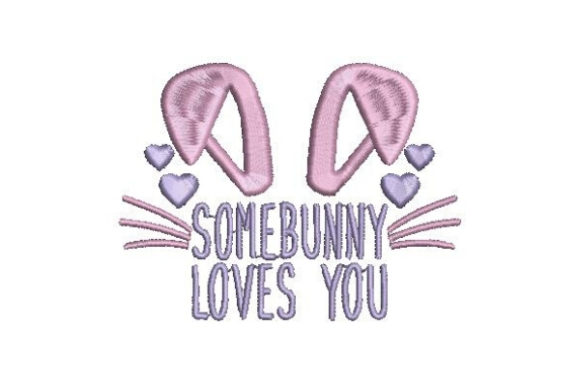
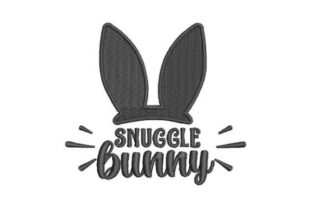
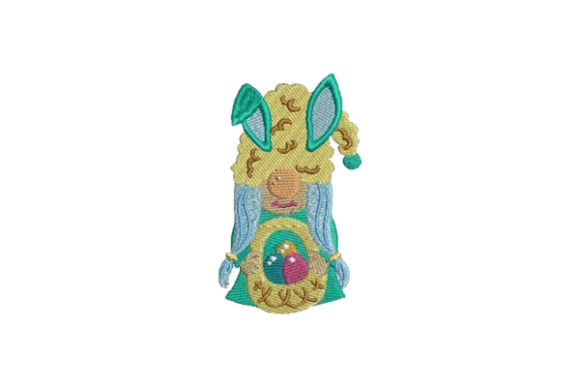
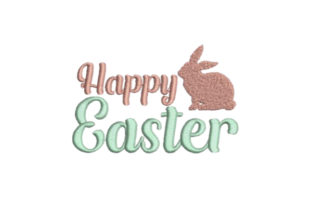
When I opened Happy Easter Bunny on Creative Fabrica, my first thought wasn’t “cute”—it was “usable.” As an embroidery designer who ships 50+ custom orders each Easter season, I scan designs for balance, stitch economy, and emotional resonance—not just charm. Happy Easter Bunny delivers both. Its silhouette is clean and rounded, with soft curves that read well at small scales. The face uses minimal satin stitch for the cheeks and eyes, a subtle running stitch for whiskers, and a light fill stitch for the ears—no dense, heavy areas that risk puckering or thread breakage. It feels intentionally restrained: joyful without being fussy, elegant without sacrificing warmth.
Fits Naturally Into Real-World Embroidery Workflows
I tested Happy Easter Bunny across six product types I regularly produce: cotton tote bags, organic cotton baby blankets, unisex sweatshirts, linen kitchen towels, structured cap fronts, and embroidered patches for boutique aprons. On every surface, it held up—not because it’s technically complex, but because its design language matches real textile behavior. The stitch density stays moderate, avoiding the “over-stitched” look that flattens texture on terry cloth or distorts stretchy knits. On a curved cap front, the compact proportions (no extended limbs or fine tails) minimized distortion during hooping and stitching. For patches, the outer edge cleanly defines the shape without jagged vector points—ideal for clean cut-and-sew finishing.
Performance on Tricky Fabrics & Use Cases
Three things stood out in testing: stability on dark fabric, adaptability to textured surfaces, and wash resilience. On navy twill kitchen towels, I used high-contrast white thread and a medium-weight tear-away + cut-away hybrid stabilizer—no shadowing, no shifting. On a ribbed cotton baby blanket, the design’s open spacing allowed the fabric’s natural drape to show through, keeping the piece soft and safe for little hands. After three machine washes (cold, gentle cycle), the satin stitches remained smooth and intact—no fraying or skipped sections. That’s critical when selling handmade products labeled “machine washable.” I also ran it on a lightweight polyester blend sweatshirt: no heat-related sheen or melting, thanks to the absence of dense underlay or excessive satin coverage.
What Works Well Commercially
- Small hoop compatibility: Fits comfortably in a 4x4 hoop—ideal for Etsy sellers using entry-level machines or tight production timelines.
- Visual impact at scale: Looks crisp on a 3-inch tote bag front and equally charming at 1.75 inches on a baby onesie pocket.
- Brand consistency: Its tone pairs seamlessly with neutral palettes—think oatmeal linen, heather grey, or ivory cotton—making it easy to integrate into existing shop aesthetics.
- Gift appeal: Customers consistently describe pieces featuring Happy Easter Bunny as “sweet but not saccharine,” which lifts perceived value for personalized gifts and nursery decor.
Where Attention Is Needed
This isn’t a plug-and-play design for every scenario. Because it relies on clean line work and subtle dimension, tiny details like the inner ear curve or eye highlight require precise digitizing—and you’ll want to verify those in your embroidery software before stitching. If you’re planning to use it on highly curved surfaces like baseball caps or knit beanies, test the placement with a temporary basting stitch first. Also, while the design avoids micro-lettering or fragile stems, don’t skip stabilizer—even on stable fabrics like quilting cotton. A lightweight cut-away prevents shifting during multi-step satin fills and keeps the finished product looking polished in product photography.
How Happy Easter Bunny Elevates Your Finished Product
In my experience, customers don’t buy embroidery—they buy feeling. Happy Easter Bunny lands that feeling reliably: hopeful, gentle, seasonal without being dated. When stitched onto a linen pillow cover or embroidered patch sewn onto a handmade apron, it reads as intentional—not decorative filler. That intentionality builds buyer trust. Shoppers browsing Etsy or craft fairs notice consistent execution: balanced thread tension, even satin sheen, no stray jump stitches. Those details silently communicate craftsmanship, which supports higher price points and repeat orders. For digital sellers, pairing Happy Easter Bunny with printable mockups (e.g., flat-lay shots of a towel folded beside pastel eggs) strengthens visual storytelling—without needing custom photo shoots.
Practical Notes Before You Stitch
- Always run a test on scrap fabric matching your final substrate—especially for stretchy, napped, or dark textiles.
- Compare thread color contrast on both light and dark fabric mockups; some pale pinks or yellows lose definition on cream linens.
- Review the Happy Easter Bunny file structure: confirm whether it includes separate color stops for easy thread changes or a single-layer build for speed.
- Check hoop size requirements listed on the Creative Fabrica product page—don’t assume compatibility with your smallest hoop without verifying.
- Inspect small features post-stitch: the nose, ear tips, and whiskers should be fully formed and legible at your intended size.
- Confirm licensing terms directly on Creative Fabrica before offering finished items for resale—commercial use permissions vary by seller.
Final Thought: A Reliable, Seasonal Design Asset
Happy Easter Bunny won’t replace your go-to monogram or signature floral—but it fills a quiet, valuable niche: a well-digitized, emotionally resonant Easter motif that works across apparel, home goods, and baby items without revision or redesign. It respects fabric behavior, honors machine limitations, and supports brand voice rather than competing with it. For embroidery designers building seasonal collections, Etsy sellers preparing spring inventory, or small studios curating handmade gifts, this Creative Fabrica embroidery file earns its place in the folder—not as a novelty, but as a quietly dependable design asset.