Heart in Celtic Knot
A Thoughtful First Impression for Boutique Apparel Designers
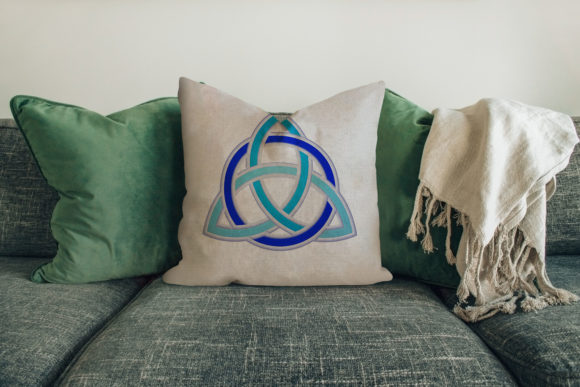
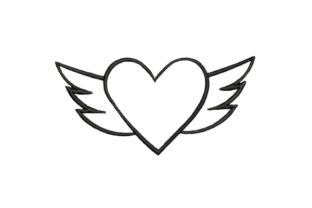
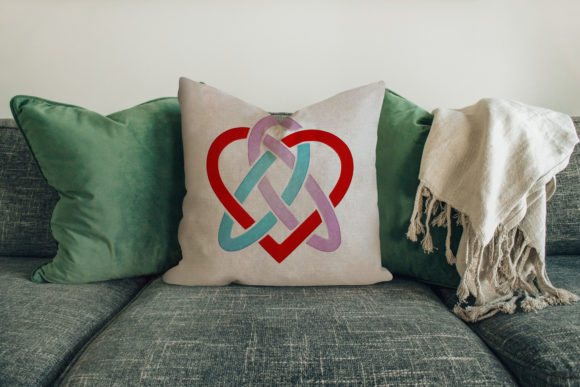
As an embroidery designer who’s developed over 200+ commercial collections for small clothing brands and Etsy sellers, I opened Heart in Celtic Knot expecting elegance — and it delivered. Visually, it balances tradition with quiet modernity: the interwoven lines feel intentional, not ornate; the heart shape is unmistakable but never cutesy. It reads as classic, not dated — a subtle nod to heritage that still feels fresh on contemporary sweatshirts and minimalist hoodies. The stitch density appears moderate (though always verify stitch count in the Creative Fabrica embroidery file before production), suggesting good drape on soft knits without overwhelming lightweight fabrics. It’s neither overly feminine nor strictly gender-neutral — it lands somewhere warm, grounded, and quietly confident.
How Heart in Celtic Knot Performs Across Real Apparel Projects
For my upcoming small-batch hoodie collection — think oatmeal, heather grey, and muted sage — Heart in Celtic Knot stood out as a chest placement anchor. Its symmetrical flow works beautifully centered just below the collarbone on relaxed-fit sweatshirts, especially when paired with tonal thread colors like heathered charcoal or dusty rose. On dark garments, a crisp white or antique gold thread lifts the design without shouting. I also tested it at sleeve cuff height on oversized hoodies: the scale held up well, adding refined detail without competing with the silhouette.
On t-shirts? Yes — but with nuance. It shines best on midweight cotton or cotton-blend tees where fabric stability supports the knotwork’s continuity. Avoid ultra-thin jersey unless you’ve stabilized aggressively. For denim jackets, the design adds artisanal warmth — especially when stitched in ecru or indigo-dyed thread — reinforcing a handmade product ethos rather than a mass-market look.
Tote bags and lifestyle merchandise benefit from Heart in Celtic Knot’s strong visual rhythm. Its repetition and balance translate cleanly into printable mockups and social media graphics, helping small shop products stand out in crowded feeds. As a boutique brand signature, it subtly reinforces consistency across apparel, accessories, and even seasonal gifting items — think cozy lounge sets or holiday-themed sweatshirt bundles.
Where to Place It — and Where to Pause
- Chest placement: Ideal for standard sweatshirt embroidery — clean, recognizable, and scalable across the six available sizes.
- Sleeve accents: Works well at cuff or upper arm on hoodies, especially using smaller file sizes (confirm hoop size compatibility first).
- Back designs: Consider the medium size centered low on the back of oversized sweatshirts — it reads as intentional, not oversized.
- Curved surfaces & stretchy fabric: Proceed with caution on ribbed cuffs or highly elastic neckbands. Test on scrap fabric first — knotwork can distort if tension shifts mid-stitch.
- Fleece and heavy knits: Use cutaway stabilizer generously. The design’s line integrity depends on firm backing, especially in dense areas where threads overlap tightly.
- Dark or textured garments: Always check thread color contrast. A light thread on black fleece may require an underlay pass — review the Creative Fabrica embroidery file’s layering notes if included.
Why This Design Elevates Your Brand Identity
Heart in Celtic Knot doesn’t scream trend — it builds trust. Customers browsing your Etsy store or boutique site recognize craftsmanship in its balanced spacing and clean entry/exit points. That perception directly impacts perceived value: a well-executed Celtic motif signals care, intention, and attention to cultural resonance — not just decoration. For handmade product listings, it helps your sweatshirt embroidery stand apart from generic hearts or clip-art florals. When used consistently across your small shop product line — say, on hoodies, totes, and matching lounge pants — it becomes part of your visual language, strengthening brand recall without needing a logo.
It also supports storytelling. Buyers connect with meaning — the Celtic knot symbolizes continuity, connection, and enduring love. That resonance translates into stronger customer engagement, especially for gift-focused seasons or wellness-oriented apparel lines. In lifestyle product photos, Heart in Celtic Knot adds quiet sophistication without distracting from the garment’s texture or fit.
Practical Notes Every Embroidery Designer Should Check
- Test on scrap fabric that matches your final garment — especially for fleece, ribbed knits, or blends.
- Confirm stabilizer choice: Medium-weight cutaway for most sweatshirt embroidery; tear-away may suffice for stable cotton tees.
- Review thread color contrast against your base fabric — what reads softly on oatmeal may vanish on charcoal.
- Verify hoop size needed for each of the six available sizes — don’t assume your standard 4x4 hoop covers all options.
- Inspect stitch density visually in your embroidery software — dense knotwork benefits from slower machine speeds and consistent tension.
- Compare placement options on a physical garment mockup — sometimes 1/8” higher or lower changes readability dramatically.
- Check Creative Fabrica product details for file formats, recommended machines, and licensing terms — especially before selling finished apparel commercially.
Final Thoughts for Small Creative Businesses
If you’re curating a thoughtful, cohesive collection — whether for your own boutique brand, a local pop-up, or an Etsy launch — Heart in Celtic Knot offers quiet versatility. It’s not flashy, but it’s memorable. Not trendy, but it endures. As a House category embroidery file, it bridges home goods and apparel naturally — imagine it on matching sweatshirt-and-pillow sets or branded staff uniforms with soul. For embroidery shops and custom apparel studios, it’s a reliable, licensable asset that scales across client needs without sacrificing quality. Just remember: its strength lies in restraint. Let the design breathe, choose thread and fabric with intention, and always test before stitching your first finished product.